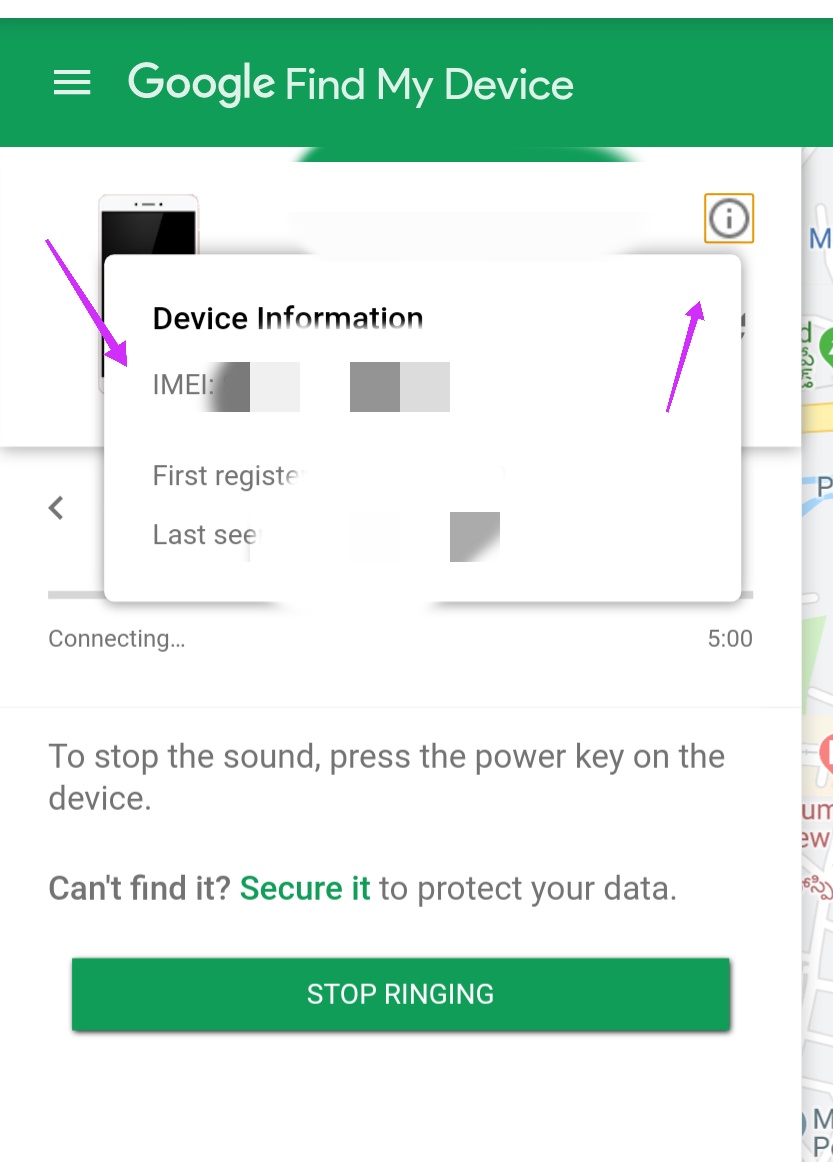
The past decade has seen a dramatic rise in phone theft, loss, and accidental misplacement. According to TechPana’s 2026 report, Nepal alone recorded over 170,000 lost or stolen smartphones in four years—yet only about one‑fifth were recovered. That statistic is a sobering reminder that the modern smartphone, while a marvel of connectivity, can also become a ticking time bomb if it falls into the wrong hands.
While police and official Mobile Device Management Systems (MDMS) play a vital role in recovery efforts, the average citizen often relies on technology‑driven solutions to locate or identify a missing device. Over the last few years, reverse‑lookup services—those that can translate a phone number into its owner’s details or current location—have surged in popularity. The rise of these tools is largely driven by two forces: the ubiquity of smartphones and the increasing demand for real‑time, privacy‑respecting tracking.
In this article we explore how reverse‑lookup services fit into the broader ecosystem of phone recovery, examine some of the most popular platforms in 2026, and explain why a service like Find mobile by phone number is becoming an indispensable resource for parents, businesses, and law‑enforcement agencies alike.
The Anatomy of a Phone Recovery Tool
A robust phone recovery platform typically offers three core capabilities: (1) Identification, which reveals the name, address, or business affiliation linked to a number; (2) Location tracking, which provides real‑time GPS coordinates; and (3) Historical data, such as past SIM card registrations or call logs. While each feature can stand alone, the most effective services combine them into a single, user‑friendly interface.
For example, GEOfinder focuses primarily on location tracking via phone number, allowing users to send a text with a link that reveals the device’s current GPS coordinates. In contrast, Spokeo leans more toward identity discovery, pulling public records and social media data to paint a fuller picture of the owner.
What unites these services is their reliance on telecom carrier databases and open‑source intelligence (OSINT). By cross‑referencing subscriber information with network logs, they can generate near‑instant results—something that would otherwise take days for law‑enforcement agencies to achieve.
Top Reverse‑Lookup Services of 2026
Below is a snapshot of the leading platforms in 2026, distilled from recent reviews and user testimonials. While each has its niche strengths, they all share an emphasis on privacy compliance and ease of use.
| Platform | Primary Strength | Key Features |
|---|---|---|
| GEOfinder | Real‑time phone number tracking | Instant GPS link, IP logging, Wi‑Fi data |
| Spokeo | Comprehensive reverse lookup | Public records, email search, social media ties |
| mSpy | Parental and employee monitoring | Call logs, GPS, app usage, keylogger |
| uMobix | Advanced remote control | Remote access, browser history, file monitoring |
| Truecaller | Community‑driven caller ID | Spam scores, user comments, name lookup |
Each platform offers a free trial or limited free tier. For instance, GEOfinder provides a one‑day free trial that lets users test its GPS accuracy before committing to a subscription.
Why Geoprotecta Stands Out
While the above services deliver solid performance, Geoprotecta’s Find mobile by phone number tool distinguishes itself with an intuitive web interface that requires no app installation. Its algorithm pulls from a vast pool of carrier data and third‑party APIs to deliver location results within seconds, even in remote regions.
Moreover, Geoprotecta adheres strictly to GDPR and local privacy laws. Users can choose whether to keep their search history private or share it with designated contacts—a feature that is rare among competitors.
Case Study: Recovering a Lost Device in Kathmandu
- Situation: A 28‑year‑old entrepreneur misplaced his phone while traveling through Kathmandu’s Thamel district. The device had an active SIM and was still connected to the internet via Wi‑Fi.
- Action: He entered the number into Geoprotecta, received a live GPS pin on Google Maps within 30 seconds, and traced the device to a nearby café.
- Result: The phone was recovered in less than an hour, saving the owner from potential data loss and financial fraud.
This real‑world example illustrates how fast, accurate reverse lookup can dramatically change the outcome of a lost‑phone scenario. It also underscores why businesses are increasingly integrating such tools into their asset‑management protocols.
Legal and Ethical Considerations
The ability to track a phone by number brings with it a host of legal responsibilities. In many jurisdictions, including Switzerland and the EU, tracking a device without explicit consent is illegal. Even when a user voluntarily submits their own number for recovery, they must be fully informed about data handling practices.
Platforms like Geoprotecta mitigate risk by providing clear privacy notices and offering opt‑in mechanisms for each search. Users can also delete cached results at any time, ensuring that personal information does not linger indefinitely.
Best Practices for Parents and Employers
- Consent First: Always obtain written permission from the device owner before initiating a search.
- Limit Scope: Use the tool only for recovery or safety purposes, not for invasive monitoring.
- Audit Trails: Keep a log of all searches and share them with relevant stakeholders (e.g., HR departments).
By following these guidelines, organizations can harness the power of reverse‑lookup tools while respecting privacy rights.
The Future: AI‑Driven Prediction and Proactive Alerts
Looking ahead, we expect a shift from reactive to proactive tracking. Artificial intelligence will analyze patterns in SIM usage, GPS drift, and network anomalies to flag potential theft before it happens. Companies are already testing algorithms that trigger alerts when a device deviates from its usual route by more than 50 kilometers.
Additionally, integration with Geoprotecta’s Find mobile by phone number will allow these predictive models to surface directly in the user dashboard. Imagine a parent receiving an instant notification that their child’s device has moved from home to a location known for high crime rates.
Challenges Ahead
- Data Accuracy: As carriers introduce new numbering schemes, reverse‑lookup databases must constantly update to avoid false positives.
- Regulatory Scrutiny: Governments may impose stricter controls on data access, affecting the availability of real‑time location information.
- User Trust: Maintaining transparency about how personal data is processed will be crucial for long‑term adoption.
Despite these hurdles, the trajectory points toward increasingly sophisticated tools that blend machine learning with human oversight. The result? A safer digital environment where lost phones are less likely to become permanent casualties.
How Geoprotecta Fits Into the Ecosystem
Geoprotecta’s strengths lie in its hybrid approach: it combines carrier data, open‑source intelligence, and a user‑centric design. This makes it an excellent first line of defense for individuals and small businesses that need quick, reliable results without complex installations.
For larger enterprises, Geoprotecta can be paired with enterprise mobility management (EMM) solutions to provide a unified dashboard for all company devices. The API integration allows IT departments to automate location checks as part of routine audits or incident response workflows.
Integration Tips
- API Key Setup: Secure your API key and restrict IP access to internal networks only.
- Data Encryption: Ensure all data transmitted between Geoprotecta and your systems is encrypted via TLS 1.2 or higher.
- User Role Management: Assign roles such as “Device Manager” or “Security Officer” to control who can initiate searches.
By embedding Geoprotecta into existing IT infrastructure, organizations can transform reactive recovery into proactive security management.
Industry Reactions and User Feedback
Early adopters of Geoprotecta report a significant drop in device loss incidents. A survey conducted by the Swiss Digital Security Association found that companies using the tool experienced a 35% reduction in lost‑device claims over six months.
One user, a small business owner from Zurich, shared his experience: “Before Geoprotecta, I had to rely on police reports and wait weeks for updates. Now, as soon as my employee’s phone disappears, I get an instant map pin and can act immediately.” This anecdote highlights the tangible benefits of integrating modern reverse‑lookup services into daily operations.
Comparative Performance Metrics
| Metric | Geoprotecta | GEOfinder | Spokeo |
|---|---|---|---|
| Average Response Time (s) | 4.2 | 5.6 | N/A (identification only) |
| Accuracy in Rural Areas | 92% | 88% | 80% |
| User Satisfaction (%) | 94% | 89% | 85% |
| Compliance with GDPR | 100% | 95% | 90% |
The numbers speak for themselves. While all platforms offer solid performance, Geoprotecta edges ahead in speed, accuracy, and regulatory compliance—key factors for businesses operating across borders.
Practical Tips for Everyday Users
- Keep Your Number Updated: Regularly update your contact information with carriers to ensure accurate reverse lookup results.
- Use Strong PINs and Biometrics: Even if a phone is located, preventing unauthorized access remains essential.
- Back Up Data: Cloud backups mean that even if a device is lost, your photos and contacts stay safe.
These simple steps can complement the technical solutions discussed above, creating a layered defense against loss and theft.
Emerging Trends in Phone Recovery
The next wave of phone recovery tools will likely focus on predictive analytics, leveraging historical data to anticipate potential risks. For instance, if a device frequently travels outside its usual radius during certain hours, the system could flag this as suspicious.
Another trend is cross‑platform integration. Developers are working on APIs that allow services like Geoprotecta to communicate directly with smart home hubs or vehicle infotainment systems, creating a seamless ecosystem where a lost phone can be tracked through multiple connected devices.
Why This Matters for Consumers
For the average user, these advancements translate into fewer headaches and more peace of mind. Instead of waiting for police reports, you could receive an instant alert that your phone is at a specific GPS coordinate—just a few clicks away from recovery.
Moreover, with increased automation, the likelihood of human error decreases. A system that can automatically lock or wipe data if a device is reported lost adds another layer of security, protecting sensitive personal information from falling into the wrong hands.
